Posted in Hotels and Resorts

Tips on How to Identify the Target Audiences for Mobile App

So, you have completed the mobile app development and planning to proceed to the next stage, which is launching it. But just wait for a minute! Have you done a proper and thorough research on your target audiences before releasing the app? If yes, then you are on the right track and if not, then first you have to identify who your potential customers are and then go ahead on the way.

Well, don’t take the research work casually because your ultimate aim is to get more users on your app. In fact, one of the studies reveal that about 14% of the startups failed to get any user attention because they ignored users and indulged in poor marketing strategies. All this happened because they did not know properly about their target audiences.

This is the age of sternest competition where you have no room for creating an error. Once the users churn your app, he would barely return back again. So, why should offer such an opportunity. You may have a great app idea and you think that could entire large number of customers, but let the audience decide whether that idea is really unique or not.

You can get familiar with the taste of the users only by conducting a research. So, first you have to take some time out and decide firmly on your potential users. In fact, it will also help to save much of your time and money and developing the app would rather be uncomplicated.

How Identifying your Audiences Can Prove Useful

Well, as said that if you define your target audiences in advance even before starting to develop the app, it could prove highly beneficial.

  • It improves the chances of achieving success becomes higher.
  • In addition, it will allow you to add the app features and functionality according to the needs, taste and preferences of your audiences.
  • Apart from that, it will also help to develop the optimum monetization scheme and prepare the best app specification.
  • It also allows you to launch an effective marketing campaign.

The Initial Steps of Conducting Research on Target Audiences

Today millions of people are using Smartphones and various gadgets, having an access to N numbers of apps on both Android and iOS platforms. The consumers are looking something exclusive and unique in apps.

For instance, if we take about the eCommerce apps, then according to one of the surveys, 85% people want to avail discounts on products similar to the ones last purchased. So, it would be more suitable if you divide your findings into two parts; general understand and secondary market research.

The General Understanding

In the general understanding you get to know the first nerve of your audience and you actually gather knowledge on the initial lines of market. For instance, if it a grocery app, then your target audience would include almost all people belonging to different age groups.

However, since grocery shopping is largely associated with homemakers, your specific focus would be on women living in a particular region or state. But you cannot say that only women are your potential customers as men, students and others also use the app to buy items.

Secondary Market Research

Well, in the secondary market research, you have to go with a broader prospective and approach as it is a deep exploration. You must not forget to keep your eyes intact on the competitors and give special attention on people who would use the app more than others.

Taking the grocery app example, you should concentrate on how often people order products from grocery app and what are the common items they buy, what is the popular mode of payment etc. You also have to consider the app reviews and ratings as well.

Converting your Marketing Strategies More Effective

Hiring the Services of Marketing Agency

If you go to the Google, you would come across a number of local and offshore marketing agencies who are willing to offer their services to the client. You just to contact the professionals, explain what kind of app you have and pay their chargers.

The big corporate houses can afford the price but for startups and small business, it could prove costly.

So, Why Not Adopt the Cost-Effective Method

Well, the best option is choosing the market research strategies that won’t pinch your pocket at all. To tell you more, there are a number of ethical and reliable websites and online statistics available, which could prove to be more than handy.

When you search on the Google, you would get across many such as the Statista. It contains most valuable information, stats and other figures related to mobile apps, markets and revenues etc.

You can draw a lot of info from there. Similarly, you have App Annie, which also provides important numbers on marketing insights. A lot of other websites offer figures and stats on different app categories.

The Google Adwords or Google Trends will help you in getting familiar with who are currently online and what they are searching at present. For instance, if you find they are specifically searching for a particular product, you can add that into your category list. Then, there is Reddit that assists in figuring out what the target audience actually wants.

Understanding the Demography, Behavior and Audience Lifestyle

Well, you want to set best output from your efforts through research then you have to understand the demographics, lifestyle and behaviors of your audience.

It is important to identify their gender, age, location and culture. This becomes more imperative if you have a travel or a restaurant app.

Conducting Surveys

In surveys, you directly go to your audience and ask about their preferences. Well, there are different ways in which you can conduct a survey.

  • The first is combining landing page with Facebook advertising. In this method you develop different pages for different types of target audiences and connect them to a landing page, which contains the details of your products and services. It has a purchase sign-up button with some images. You want to see which audience group clicks more on button.
  • The second is the combination of interactive prototype and survey where an interactive app prototype is created to draw the traffic and contains a survey about the likes and dislikes of users.
  • In the third method, you have to combine mobile MVP with the actual feedback of the user. You can opt for this procedure if you have gathered lots of info about your potential customers. Here you can develop an app MVP with a few features and collect the feedback from a few groups or communities. You can also submit your app to different review groups.

Some other Marketing Strategies to Follow

Additionally, you can also follow some other effective marketing strategies to research your target audience for app. These include:

  • Building the app monetization policies and advertising.
  • You have to get connected to the focus groups and hear more clearly what your audience wants.
  • You can take the help of bloggers and social media platforms where you can promote your app idea just to know if the audiences also feel the same way as you do.

Conducting Research on Competitor’s App

Well, you also have to research on your competitor’s app besides figuring out the taste and preferences of your potential customers. The first step is of course finding and analyzing who are your actual and strong competitors.

For instance, in case of cab booking app, you have to compete with Ola and Uber, apart from other cab service providers. So, the next thing is deeply studying and understanding the features and functionalities of Uber or Ola. Then you have to analyze which important features and designs are missing out in your app.

It is essential to go through the app ratings and reviews of the users in deep. Read the comments carefully. What’s the view of users regarding the app’s speed and performance? Does it resort to crashes?

All these vital information will help you in doing a SWOT analysis, which means identifying the strengths, weaknesses, opportunities and threats for your app. You can develop an app, which is more specifically driven towards the target audience.

Conclusion

The research and exploring the market before planning to develop an app is a viable strategy to follow if you want to survive the bitter getting competition. It is through an extensive research results, that you can lay the foundation of a robust concierge app that will gain popularity in the app store.

It is very difficult to predict what actually the audience wants as their preferences keep on changing at frequent intervals. But at least, if you have done the homework beforehand, you can present a better product to the potential customers.

Posted in Tips and Ideas

Factors that can Boost the Mobile App Ranking in the Google Play Store

One of the most challenging roles for the app developers today is to optimize the mobile app ranking in the app store. If you are an Android App Developer, then this task becomes even trickier as the numbers of mobile applications on Google Play Store according to a statistics of December 2017 have already crossed 3.5 million.

When the customer retention and engagement is very important to keep your app on the top, you need an acute strategy to deal with your competitors. However, the users can churn your app within no time and this would be a major setback to boost your app ranking.

So, don’t fall a prey into the pit and just look forward to improving your mobile app ranking in the Google Play Store.

How Does Google Play Store Rank the Apps?

Well, you must have heard about website ranking on the various search engines; similarly, the apps too are ranked in the Google Play Store. The Google Play Store uses different algorithms and some determining factors to rank the app.

These may include the total number of downloads by users, the app ratings and reviews, the app retention time on the Smartphones, how quickly is it getting uninstalled after the download and whether or not it is connected with social media links.

The Role Played by App Store Optimization (ASO)

You know that App Store Optimization or ASO is very important in determining the success rate of your app. In fact, according to a study, 50% of the downloaded Android Apps were discovered through app store searches. So, it becomes imperative to pay attention on the ASO and if you miss out that your ranking would certainly decline.

Undoubtedly, ASO has been identified as the essential marketing channel and here the same process is followed as like someone searching for a keyword. Thus, keyword holds the key. The App Store Optimization also has the potential to attract large set of targeted audiences. It is cost effective too. It also helps in building the trust factor of the users and increases your conversion rate as well.

While you are targeting the audience via keyword, it is important to select the right keyword. You need to focus on the relevance, difficulty and traffic while defining the keywords. You have to search for lower difficulty score in order to rank your app higher.

Choosing the App Title or Name that Fits Best

You already have become aware of how vital the search is so as to optimize your app; and so to further improve the chances of app discoverability, choosing a perfect name or title for the app becomes crucial.

Remember, the users will find your app by typing the initial keywords and so it must be selected wisely. Moreover, it should also clearly define what your app is all about even before a user downloads it.

You need to use the main keyword in the app title so that finding the app becomes easier. However, don’t go for similar sounding names of the popular apps that are already ruling the market. This will decrease the chances of discovering app as Google will direct the user to the popular app in place of yours.

Paying Attention to the App Rating Review and UX

The app ratings and reviews hold a key position when it comes to boosting the rank of your app in the Google Play Store. According to a statistic, about 92% customers read the reviews today before downloading an app as compared to 88% in 2014. So, it cannot be ignored at any cost.

Every android app developer tries to build an app that receives 5 star rating from the audiences. But only handfuls are successful. This is because in order to get best rating you have to focus on offering compromising product and service with unmatched User Experience.

Adding Description of the App

So, when you are adding the description of your app, make sure to be precise and short. You need to make your description relevant and at the same time make users aware of what your app does.

Please take the note that Google takes the vital keywords from your description and not from the keyword bar in the Google Play Store.

Another important fact to keep in mind is that Google allows you a maximum of using 4000 characters only. So, ensure to make the best use of the available space. However, you need to note that your description is not keyword stuffed. You can use it twice or thrice.

Lastly, remember that the first 167 character of your description is actually the meta description for search engine. Make your description attractive and appealing to the audiences.

Give Due Importance to Screenshots, Graphics and Videos

The screenshots and the app designs are optimal techniques one can adopt to get higher ranking on the Google Play Store. It actually shows a glimpse of your app to the user before the final download. So, it needs to be ensured that you are uploading and using High Definition Screenshots comprising of all sizes to boost visibility and bettering the app ranking.

With Google App Store you can also exhibit the details of the app through the videos and inform about the highlighting features of the app. So, the users can get a pre-idea of the app.

Graphics too plays a pivotal role in improving the ranking and you have to be very careful while designing it. The app icon is another important tool that will instantly draw the attention of the users.

Getting Across the Right Set of Customers

If the app needs to get a higher ranking, then the developer has to get across the right set of targeted audiences. You would have to take into account which age group people would use your app maximum and define your strategies accordingly. So, the job in hand is to find the right potential audience.

Focusing on App Promotion

App promotion is one of the best ways to get more visibility on the Google Play Store. There are different ways through which you can promote your app. You can add videos and also send notifications.

But the best tool is of course, using the social media platform such as the Facebook, Google+, Twitter or Instagram etc. You can use teasers and also pitch for the blogs to make more and more people aware about your app.

Some other Strategies to Follow

In addition to the given techniques, the app developer can make use of other viable strategies so as to upgrade the app ranking on the Google Play Store.

  • Firstly, he needs to pay attention to the app responsiveness. This means that the app should run seamlessly on all devices namely the smartphones, tablets etc.
  • Secondly, he needs to consider the size of the app. Make sure that you are designing the size of the app according to the memory. Ideally, it should be smaller.
  • If your app contains internal links, it helps to improve your ranking.

Conclusion

The mobile app industry is rapidly transforming and becoming steeper as the competition continues to grow further. Putting your hotel concierge app on the top of the list is certainly a daunting task for the developers because of the large number of other competitor apps.

However, he needs to focus on the techniques and also incorporate his ideas to boost ranking of the app in the Google Play Store.

Posted in Hotels and Resorts

Effective Ways to Encourage Users to Download your App

Close your eyes and revisit your day. Think of all the apps you were exposed to. The chances are you can name quite a few. From the moment we open our eyes in the morning to the moment we sleep, apps surround us. Whether it be for communicating, working or leisure, the app development industry has an offering for every part of our day. Close your eyes and revisit your day. Think of all the apps you were exposed to. The chances are you can name quite a few. From the moment we open our eyes in the morning to the moment we sleep, apps surround us. Close your eyes and revisit your day. Think of all the apps you were exposed to. The chances are you can name quite a few. From the moment we open our eyes in the morning to the moment we sleep, apps surround us. Whether it be for communicating, working or leisure, the app development industry has an offering for every part of our day.

The Stats Say it all!

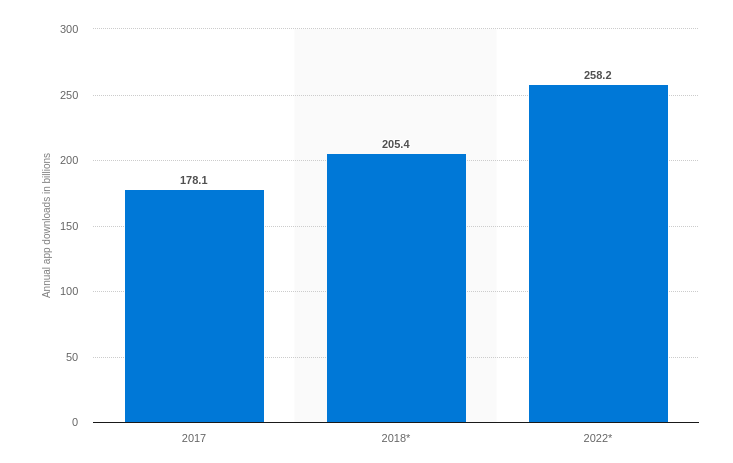
When you consider the app usage statistics of 2019, you will be awestruck. Currently, there are 4.1 billion people with an active internet connection. In 2018 alone, there were 205.4 billion app downloads. An average American spends 130 hours on applications in a month and uses 9 applications daily.

What it All Means for You?

One thing is for sure if you are planning to develop your app, the market potential is quite lucrative. But, just because people are downloading and using apps and a high rate doesn’t mean your app will get the same response.

After all, there is a lot of competition in the market. It is no longer a blue ocean. Therefore, you will have to put in the effort to encourage people to download your app.

Here are some ideas that will make all the difference.

1. Promote and Market Your App

Merely making your app available on your website or App stores won’t seal the deal. Why? Well, because there are a plethora of apps already present on the web. Unless you tell your target audience that your app has been launched, they won’t even know about it!

This is why you need to invest in marketing. Create an integrated marketing strategy. Use your digital presence along with conventional routes to ensure awareness and interest among users.

Don’t just do so at the time of the launch of the app. Instead, keep investing in marketing to make sure that you grasp the attention of any new user that might seek the type of app you offer.

2. Create a Solution, Not an App

Nothing encourages customers to download an app as relevance does. A lot of companies make the mistake of creating products/services rather than solutions.

Keep in mind that customers are not interested in the features of your app. They wish to know about the benefits the features bring.

Rather than following the herd and making a similar app to ones already present, think of what your customers need. If you create an app that solves an underlying issue or satisfies a need, the buzz will be created, and people will download your app.

3. Leverage Your Social Media Presence

Whether your app is on an app store or your website, you shouldn’t just depend on people directly accessing the platform. Instead, you need to redirect them to it. Unless your app is very well known, it is quite unlikely that people will search for it.

This is where your social media presence can come in handy. It can allow you to both build brand equity and resonance for your product as well as act as a redirection tool.

A significant chunk of the global population is on social media. And through an advanced tool, you can send communications to your target audience only. Use such tools and your presence to engage your target customers on your social media accounts.

Communicate your app’s unique selling point and differentiating features. Be creative and attention-grabbing while you are at it. The quality of your copy writing will govern your brand image. And the more favourable associations’ customers have of you, the more inclined they will be to download your app.

4. Conduct Tasteful Telemarketing or Email Marketing

If you are an app development company or a business with a pre-existing customer base, you don’t just have to focus on getting new users on board. You must also make sure that each of the current customers has downloaded the app. You will be surprised to know that not all do so. This can arise when you don’t market your app well.

A great way to increase app download among current brand users is through direct marketing. Send them a personalized email or text message. Don’t be intrusive or annoying. The purpose of this email should be to create awareness and drive downloads.

5. Give Your Customers Incentives

If your app is worth downloading, the only resistance you face is in getting people to hit the download button, to begin with. The quality of your offering will easily do the rest of the job. Sometimes, people need a little more than product benefits to download an app.

Reward their effort of taking out the time to download your app by offering incentives for downloading. Whether it be trial service (if the app has a premium pricing model), coupons, or discounts, incentives almost always work in getting people to download the app. To retain them, you must ensure that your application is seamless, smooth and high quality.

6. Ensure Compatibility With an Array of Devices

You can’t just create an app that works on desktop or tablets. You need to tap into the mobile segment as well. After all, most customers download apps through their mobile phones. Now many app developers are shifting their primary focus to mobile app development.

People will be encouraged to download your app if it is compatible with the device they are viewing it on. So, make sure you offer a smooth experience in an array of mobile devices as well as tablets.

7. Write a Blog Post

Are you unsure about your product description? Do you think it doesn’t do justice to how great your app is? Considering how concise app descriptions have to be, this can b e true.

A great way to highlight all the useful features of your app in detail, and offer potential users a proper insight, use your website to write a blog post about your app. Talk about its features. Link them to benefits and showcase how those benefits fit into the life of your customers. Include high-resolution screenshots of your app.

This helps in showing visitors what they are in for, rather than just telling them. Visual content always has a lasting impact.

Which bring us to our next point.

8. Post a Demo Video

In today’s world, where the masses are hard pressed for time, videos are preferred by many. While blog posts have their own merits, in terms of details and technical descriptions, videos help in encouraging those who want demonstrations.

Make a demo video about your app. This is particularly helpful in encouraging downloads of premium apps. This is because it reduces the perceived risk of the investment and helps in resolving conflicts.

9. Add Call-to-action Buttons on Your Website

Blog posts. Videos. Landing page.

Every touch point can be the point where visitors are convinced about downloading your app. Don’t make them search for ways to download your app.

Add appropriate call-to-actions in all your content so that they can download your app directly from the touch point. Do so in your social media communications, banner ads, and website pages.

Keep in mind that you need to close a deal when the interest in the product is at a peak. And strategically placed call-to-action buttons are an excellent way of doing so.

10. Offer Trial Runs

This idea will work specifically if your app requires a subscription fee. Here, the reason most visitors don’t download your app is because of the risk of making a bad investment. It doesn’t matter how less money you are asking them to pay, what matters is that your app is paid while others offer solutions for free.

Does this mean premium apps don’t work? Of course, they do! You just need to reduce the risk involved by offering trial runs or money back guarantees for a specified time. Make sure to provide a tutorial as well at the start.

Together, this ensures that customers download your app to give it a try. Once they are in, it is the job of your app development team to retain them.

11. Paid Campaigns Can Help

Display ads, banner ads, PPC campaigns. Digital marketing can do wonders for any company, especially one whose product is online as well.

While content marketing, through videos and blog posts will help you get downloads in the long-run, short-term success can be guaranteed by paid digital campaigns. This way, your app gets promoted to the right people at the right time, thereby encouraging downloads.

12. Drive Word of Mouth

If you can get enough people to talk about your app, downloads will automatically increase. Encourage current users to leave feedback on various web platforms. This way, when web visitors peruse the positive reviews of your app by enough people, they might be tempted to give it a try.

Testimonials and word of mouth marketing are much more credible than traditional marketing.

Conclusion

Use these twelve ideas to boost your app downloads. The app industry is expanding with every passing day. Get a significant share in it by encouraging the visitors to download mobile app for hotel.

Posted in Hotels and Resorts

Top Benefits Hotel Apps Provide to the Hotel Business

The hospitality industry has gone through a sea change and it caters to millions of tourists and travelers around the globe. If you are into hotel industry, you will be aware that the competition level has exceeded to a much higher degree.

According to a statistics published by Statista, it has been estimated that global hotel industry would generate 550 billion US dollars in 2016. The hospitality industry is strongly based on offering optimal services and so there is no doubt that hotel apps will be a blessing to enhance your customer reach.

In fact, more and more people today search for the hotels online whether they are going on for a vacation or for corporate purpose. The hotel booking and reservation is also conducted through different websites, which saves both time and money.

If you are developing a hotel app, you are benefiting both the tourist as well as your business. This is one place where the user can get all information under one roof and as such he does not have to consult any other site.

So now let’s focus on how the mobile apps will help to flourish your hotel business:

1. Enhances the Reservation Experience of Customers

The hotel apps have simplified and enhanced the experience of pre-reservation of the hotel rooms. Gone are those days when the customers used to come to hotel and then search for the rooms according to his convenience and budget. Many a times, he had to return empty-handed as mostly the rooms were full specifically during the peak seasons.

But when they download the apps, they have complete information about the accommodation and what other facilities are being provided. They can book the room just with just a click of the finger. It also saves lot of time.

2. It Helps in Tracking More Customers

When you have the mobile application at your disposal, you can get close to your guests. It helps in collecting vital information and data about your customers. In addition, to that you can also understand their behavior traits which will help you to form and implement business plans.

You would understand that they were satisfied during their stay and what all needs an improvement. You can also frame the marketing strategies and pricing policies to stay afloat in the business.

3. Helps in Marketing your Hotel

Hotel marketing is one aspect that has become necessary to compete in this industry. You need to create and maintain the brand awareness for your hotel that will help in promotion. At a time, when there are N numbers of options available, you have to be on your toes and there is no margin for error.

4. Opportunities to Provide Optimal Services

You can win you’re your clients only by offering best in class services at cost effective tariffs. Now the hotel apps can help in reaching that objective. You can keep on informing the users about what new services you have launched and how you are improving on other areas. This can be making the booking more efficient, offering discount offers, providing complementary breakfasts and so on.

5. Establishing the Communication on Personal Level

One of the features that you can implement in your hotel mobile app is establishing the communication level on the personal level. You can employ customer service executives who can answer the queries of the travelers and also suggest them the best plans.

6. The Language Adoption Facility

Travel and tourism industry has become a gigantic arena. It includes both the domestic as well as the international tourists. Most of the travelers face the language problem when they travel abroad or in other state.

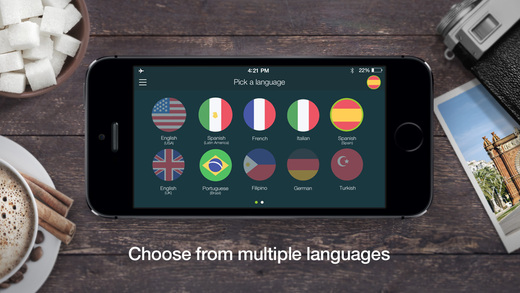
So, in order to sort out that issue you can incorporate the language adoption facility wherein he can get all the valuable info in his own mother tongue. This will have a positive impact on the audience and it will increase traffic to your app.

7. Offering the Tour Guiding Facility

When a tourist travels to a destination, he wants information on everything which includes the tourist spots, best restaurants, shopping places and so on. Instead of asking to the local guide, the customer can get this information right from your app. You can also add a map which will give them proper direction.

8. Getting Customer Reviews and Feedback

It is extremely essential to get customer reviews at the end of the day and ask them about whether they are satisfied with your services and stay at the hotel.

Based on these reviews and feedback, you can know how well your business will fare in the future. If you observe that your reviews are not as positive as desired, then you can take the necessary actions to rectify regarding what went wrong.

9. Taking Advantage of the Competition

Mobile apps although are common these days, but the fact is that hotel apps are still a new concept in this sector and not many players have entered the battlefield. So, this one advantageous situation and you can take full advantage to gain the best in your favor. The demand from the customer’s side are high and if you suffice it, you are victorious.

Conclusion

Considering the fact, that hospitality and hotel industry are posing new challenges for the owners, the hotel mobile apps will offer you the best of opportunities to connect with the tourists staying in your hotel. You can establish direct connection with them and also offer all the information at one place.

Posted in Hotels and Resorts

How Can Hotels Adopt UGC To Increase Site Bookings?

The rise of user-generated content (UGC) is arguably one of the most disruptive forces in hospitality since hotels moved their marketing collateral and booking abilities online.

This is largely down to the fact that user-generated gives consumers the power to create and manage a brand’s reputation.

With 70% of consumers between the ages of 25-54 posting on social media to share experiences with friends and family while travelling, and a further 53% of Millennials using UGC to aid with hotel booking choice, it is clear that consumers trust user-generated content.

What’s more, hotels are uniquely positioned to capitalise on this lucrative trend due to the number of guests that stay with them annually.

With the above in mind, we have produced a series of reports providing insight on how hotels can leverage digital to drive direct hotel bookings.

In the latest of our reports, we explore how hotels can adopted UGC to increase on-site bookings including:

  • What is user-generated content?
  • Harness the power of user-generated content
  • Building user-generated content into a profitable social strategy
  • The good, the bad and the ugly case studies

If you are in search of best concierge app then please contact us and know more details about it.

Posted in Hotels and Resorts

Automating The Guest Experience – An Interview with Rob Paterson of Village Hotels

At Triptease’s recent Direct Booking Summit in Barcelona, much was discussed about marketing automation, AI and machine learning. All fantastic technologies to help reduce the strain on operational teams within hotels and all hotly debated as ‘the next big thing’ in hospitality.

Beyond the concepts and theory, UK hotel group Village Hotels showcased their approach to automation, having consolidated dozens of systems into an ecosystem that utilises open API technology, allowing them to easily integrate and share data in real time – handling almost all stages of the guest experience.

From guests having their room key delivered to a smartphone before they arrive, to asking questions of an in-room Alexa (Amazon’s voice operated virtual assistant), Village Hotel’s guest experience is now very different.

But does different = better?

We caught up with their Commercial Director, Rob Paterson to hear more:

Consolidating dozens of systems into a new data sharing ecosystem is no mean feat, I’m sure a lot of hoteliers would love to know – just how and where did you start?

The process of truly understanding our full technology cost base was the first step in this journey. That’s not always apparent as various license & subscription costs for applications can sit in different parts of the P&L depending on what purpose they serve and which area of the business owns that cost. Once we truly understood the annual spend of infrastructure, licenses & subscriptions we knew what we were able to work towards and find savings alongside improved performance.

And what about compliance? How did you ensure systems and payment platforms were secure? Are they adaptable to future regulation change – for example, GDPR which is looming on every hoteliers horizon for 2018?

We had the support of some very good people involved to achieve this very early on. Once we had drawn a schematic of the desired architecture and applications we engaged a 3rd party specialising in this space to ensure we were in the right direction and on the good side of imminent GDPR regulations. To keep it cost efficient we didn’t bring in fully certified consultants until we had satisfied ourselves we were fit for purpose.

On the system itself, what’s the uptake been like? Have you found any resistance from guests to things like automated check in?

We took the decision to reconfigure our lobbies entirely and replace the traditional reception desk with a square shaped kiosk and 4 check in points and that helped transition the customer journey to a different approach for check in. Our strategy that suited Village Hotels was not to remove the personalisation and actually improve on it so we have hosts permanently in the lobby that welcome our guests and look for anyone that might not be comfortable with self check in. We also offer mobile phone check in 48 hours before arrival and keyless bluetooth room access however this only represents just over 10% of check ins. There are still the occasional polarised view on automation but at scale our check in & check out scores have improved from being one of our lowest scores on survey to our 2 highest scores so it is very well received by our guests not having to line up and be completely frictionless.

And what about the traditional feedback channels, has it impacted guest satisfaction and your performance on review sites like TripAdvisor?

In parallel to the technology transformation we have invested almost £40m in transforming the product as well so we have seen improvements on the online review sites for a few factors. Naturally that makes it less easy to pin this down to technology given they’re mostly unstructured reviews. That said, like many hotels today we also use an online reputation management system and we can see positive movement attributed to arrival & welcome so all in all its been well received.

Of course, the commercials need to stack up on a project like this too – has Village Hotels managed to make the numbers work?

Commercially its been a very successful project with much higher ROI’s than any physical investment. There are many benefits both direct and indirect. Licensing, support & infrastructure alone achieved a big saving to the bottom line but we also have a far more modern and dynamic platform that allows greater flexibility and ability to optimise our business topline.

Have you managed to pass on any operational savings to guest? Or, has automation helped you maintain and improve competitiveness within the market?

We define ourselves as affordable lifestyle hotels as we offer a lot of high quality leisure & dining facilities within the building. Having a more efficient cost base allows us to maintain and even build on our value proposition which is important for the brand and keeping our bottom line moving forward. We rely on high volumes of happy guests to feed those facilities and the tech platform allows us to be creative in achieving that goal.

Do you think automation has helped you to compete on a more level playing field with OTAs when it comes to data capture and better understanding your guests?

I can’t say we’ve seen any material difference in our channel mix to support that however our marketable database certainly has moved in a very positive direction. A fresh, innovative brand means more people want to hear from us and that has very positive impacts for us naturally.

Finally, having introduced such a high level of automation within your business, what’s your position on the thought that automation detracts from the human interaction aspect so inherent with hospitality?

Its a total misconception. It is all in the chosen delivery of the service and that’s going to differ from brand to brand. For example in a high end boutique brand the adoption of automation to take care of the back office processes and free the reception team to focus on an amazing personal arrival is a big addition to customer care. Not being behind a desk focused on a computer or PDQ device is a big benefit to the service delivery. Its really up to each brand to determine what journey makes sense and build the automation around that journey to take care of the administrative tasks. Automation of back office, open API products etc work for all categories of hotels. A concierge service app is a software product which serves as a personal assistant app in hospitality industries if you want to know more details please contact us.

Posted in Hotels and Resorts

How Artificial Intelligence is Set to Revolutionise the Hospitality Industry

Since its launch in 2002, Avvio has grown year-on-year by continuously developing and investing in cutting-edge technologies, including most recently the use of artificial intelligence (AI) to create the next generation of booking engine. This technology allows more direct bookings for hotels, whilst reducing dependence on travel agent channels. We’ve found this unwavering focus on conversion optimisation, has ensured that Avvio is at the top of its field; revolutionising and innovating the market.

Last month we launched the world’s first AI-powered booking engine, Allora, which established Avvio as the innovators in direct booking technology. Built over 18 months, Allora uses Learning Models to analyse large volumes of data and identity which variations will yield the best booking engine configuration. In addition, it focuses on personalisation which is a critical factor for hotels, their customers, and the hospitality industry as a whole; and something that technology, until now, has not been able to offer.

Trend reports too are now beginning to identify that AI and digital technology can help consumers when it comes to smart destination intuition, and thus reshape the way we research, book and experience travel – an opportunity Avvio has been maximising through tools such as PPC, remarketing and SEO.

As hotels sit on large tranches of information that they typically do not have the manpower to crunch, the opportunities implemented by AI and Machine Learning are endless. With this technology, we now have the ability to use and analyse data to create personalised relevant experience for potential hotel customers; and create a tailored journey which will allow people to feel a stronger connection with certain hotels, and in time, increase the incentive to book.

By personalising the user experience, hoteliers are able to better meet guest needs, target the right audiences and therefore attract genuine prospects; whilst a sophisticated Recommender Engine moves the booking journey away from the one-size-fits-all model of today, by making it dynamic and tailored to each shopper’s needs and interests – allowing people to find what they are looking for faster.

Personalised messaging can also be developed from customer behaviours and insights to make hotels stand out from the crowd, and help turn one-off customers into local guests. It helps generate more repeat business, fosters brand loyalty, and encourages word-of-mouth recommendations. Machine Learning is able to automatically build up a 360-degree profile of each guest, creating a unique journey experience, and curate a unique experience for each visitor – we simply can’t continue to have the same conversation with everyone who visits our website!

In today’s digital marketplace, customers expect a business to know everything about them, their likes and dislikes, particularly when it comes to travel – so hotels need to accumulate this data to improve the relevance of their sales and marketing communications. Guest manager app is very helpful in enhancing the customer experience, hotels will simultaneously gain more direct revenue, attract real prospects, and optimise future loyalty.

Posted in Hotels and Resorts

Can I Get That Revenue Strategy to Go?

It only takes a few taps of a finger to learn a new language, virtually redesign your living room or order a personal driver—who can also bring you dinner. We are one generation away from having to explain the concept of a desktop computer to a child, and with every passing day, technology continues to push the boundaries of what is possible.

Hotel CEOs, general managers and even revenue managers are no longer chained to their desks staring at a computer all day. They work from cars, airports, restaurants, planes and elevators, trying to maximize every minute of their day to maximize every revenue opportunity for the hotels they manage.

Ideally, the same benefits that technology affords you in your personal life should also be present in the technology of your professional life.

The best revenue management systems (RMS) bring together all of your meaningful data into the cloud. They aggregate your transactional data from your property management system (PMS), building a pricing and rate availability strategy in your central reservation system (CRS) and visualizing all your external data sources like competitor rate shops, STR reports and forward-looking market intelligence. Mobile user interfaces (UI) are important because you now have access to all this data, from multiple systems and data providers, within the palm of your hand.

When you’re at the airport getting ready to board a flight, it’s not convenient to boot up your laptop, get on a Wi-Fi network and log into your various systems to respond quickly to an email. The beauty of mobile RMS is that you have easy access to all that aggregated data, instantly. Science fiction has become reality. Now CEOs, GMs and RMs alike can access the information they need and even have it curated with the appropriate dashboards and permissions for each persona.

Users can view their previous day’s actuals, check the competitions’ rates for the weekend, make a pricing strategy change and even monitor performance against budget and forecast. In a world where consumers are hyper-connected, it’s no longer good enough for hoteliers to work between disparate systems. It’s important that the right insights are delivered to clients at their moment of need, all through their RMS in the cloud.

Whether it’s virtual reality, natural-language processing and voice search or an optimized mobile experience, it’s clear our interaction with technology is changing. The next UI will be no UI, and innovative revenue management solutions will ensure their users stay at the forefront. With the right security permissions, you’ll be able to use your smartphone, in a variety of ways, to easily perform on-the-go tasks such as raising the rate for this weekend. Don’t let old technology hinder your ability to stay on the move; tap into a solution that lets you order your revenue strategy “to go.”

Do you want to know more details about personal concierge app, then please contact us in the comment sections.

Posted in Tips and Ideas

5 Innovative Marketing Strategies Used By Airlines

In this digital world, it has become very important to market your business innovatively to attract more customers and for making more sales. This is the case for every industry which is out there. 

Innovative marketing strategies are important for most of the industries, especially airlines. Without some unique and never seen before marketing tactics, you can’t survive in this competitive world.

People are daily reading news about the flight delays, bad customer service and those significant additional charges. 

If any airline really wants to dominate the industry, then focusing on the right marketing strategies is the primary thing. After knowing these strategies, executing them without any error can take an airline company to the next level. 

In this article, we are going to discuss the five innovative marketing strategies used by airlines. So, let’s have a quick glance at all these strategies. 

1. Create your own loyalty program:

An Airline’s loyalty program can help in reaching new audiences and converting them into potential customers. 

Airlines can create a loyalty program in which they can give customers specific points for free, which they can later use for various trips. 

Due to these reward points, a customer will always travel with that airline company. This strategy can help an airline to increase its customer base as well as to retain its existing customers. 

Along with the loyalty program, offering customers a free seat upgrade, airline meal can enhance the reputation of an airline company.

If you talk about the other side of the above strategy, then an airline may have to face a lot of challenges in executing this technique. 

But, once you can attract more customers then, there will be cash flow in the business. And this cash flow can help any airline to run a profitable loyalty program. 

What other things that an airline should take care while creating and offering its loyalty program?

  • Be creative and unique.
  • Think about the customer and then, about the profit.
  • Your customer is your business. If an airline can give a better in-flight experience with the reward points, then the customer is going to be with them forever. 

2. Impact:

In any type of marketing, creating an impact on your targeted audience is a must. The worst thing that airlines do is not make a unique place in the customer’s heart. 

So, how should an airline create an impact on the customer?

The answer is by helping society, which then becomes your loyal customer.

American Airlines sends free food samples and packets to the people living near New York City. 

It is evident that people who have read about the work done by American Airlines in New York are going to respect their company, and building this respect is the most crucial part of any marketing campaign.

This respect then turns into trust. 

It is a fact that customers who trust any company will always buy a ticket from it even though that company is charging them additional money. 

So, reach to the people through offline as well as online mode. Share them what you have done and let them know that you are a good company in the business. 

3. Start stunning social media campaigns:

We are living in a world where people spend most of their daily time on social media. 

Facebook, Instagram, YouTube are all major social media platforms that you can use to reach your audience.

Now, you can start paid advertising on Facebook, Instagram, and YouTube. With paid ads, you can target people in specific locations. Through these social media platforms, you can get intensely targeted customers. 

But many companies also run paid ads to get customers but, what differentiates any airline company from others?

Customer satisfaction and value for money. 

The value that you offer to your customer is directly proportional to the profit you make. So, an airline can start giving the real value to their customer via these social media sites. 

You may be thinking, what are these values in practical life?

In practice, an airline, can create content on a topic like “what are the things that you should take care during your first flight?” An article written on this topic is helpful for all those who are travelling vial flight for the first time. So, if people read your content then, they are definitely going to book a ticket through you. 

So, sell less and give value more. 

An airline can also create videos and post them on YouTube to create brand awareness. By posting such videos and helpful guides about air travel, the brand value of any airline is going to skyrocket. 

While talking about the advertising, we would like to suggest that stop any promotional campaigns that an airline is running on TVs or radios because those old ad strategies do not work in today’s world. 

4. Focus on the existing customer:

The airline should focus on their customers first. 

Existing customers of the airline are going to benefit the airline companies more than the new customers via mouth publicity. 

So, how to give a better experience to travellers?

The airline can provide entertaining in-flight experience by offering quality means, super-fast internet connection and by allowing users to watch TV shows, movies on flights. 

For rising above all your competitors, you have to give more comfort to your existing users.

There is a tremendously big market of untapped travellers who are currently travelling via your plane. But there is no point in spending money in targeting the audience who might travel via plane. 

A $20 OFF coupon on the next flight can bring you more sales than any other marketing techniques. So, the airline should be committed to retaining their customers.

Giving more legroom and charging fewer ticket fees is another critical strategy that any company can implement to make their user’s journey easier and comfortable.

Furthermore, if anybody is looking to book their next flight with your favourite airline that too availing some offers on air tickets, visit Faremart which provides different deals and special offers on flight booking, thus, helping you reduce your airfare.

5. Use the power of influencers:

Influencer marketing is currently booming. All major industries are looking at influencer marketing as the best way of getting a better ROI.  

The airlines should also implement effective influencer marketing strategies. There are many benefits of influencer marketing strategy that can help any airline in boosting their business. 

As influencers have millions of fans, people love the things that those influencers promote. Also, due to the extreme trust of the influencers, people are likely to trust you as well.

You can also apply the storytelling formula to increase airlines brand awareness. 

Adding transparency in the airline’s pricing structure and transportation rates is another simple task that airline can do.

What about the hidden fees?

People get annoyed whenever airlines charge them hidden fees. So, avoid any such fees. 

Many people like to travel with their pets, but some airlines don’t allow pets while some have stringent restrictions. 

Due to this, many savvy travellers avoid travelling via such airlines forever. So, having pet-friendly rules and guides can ultimately give you more potential customers. 

Final Words

That ends our list of the five best innovative marketing strategies used by airlines all over the world. 

The airline industry is very competitive nowadays. You just can’t implement regular strategies to reach your customers.  Thinking unique and studying the customer mindset can be better ways to survive and grow in the airline business. 

If you are in search of travel concierge app then please contact us and know more details about it.

Posted in Tips and Ideas

How to Improve Hotel Operations with an Independent Consultant?

One of the most important business lessons is that a stable market floats all boats. With strong consumer demand, it gets easier to overcome bad distribution decisions and poor revenue management strategies. The market takes the burden, and carries you to a successful run. However, as soon as the market gets uncertain, be it local factors like Brexit or a global financial crisis, bad marketing strategies are exposed.

When it comes to the hospitality market, hotels without a strong decision-making approach tend to suffer. These hotels start losing occupancy points, and even erode RevPAR (Revenue per Available Room). That’s when it becomes important to get in touch with a hotel consultant.

Principles of Competitive Strategy

Smart hoteliers make sincere efforts to maintain competitive advantage, not only through economic peaks, but even through times of distress. Several principles of competitive strategy come into play, and ascertain the path towards successful hotel marketing.

Observe Your Competition, Don’t Imitate

When the market changes rapidly, amateur revenue managers start panicking. Since it’s difficult to identify how long the situation will last, or how bad things will get, they choose occupancy over rate. However, most of the time, a lower rate isn’t justified. In fact, it’s unnecessarily self-imposed due to assumption of lower performance.

Without an experienced hotel consultant, such steps lead to a rate-cutting snowball effect, which can take months to recover. In order to avoid such hasty decisions, hoteliers should not only observe competition, but also listen to changing market trends. To guide strategy, it’s important to consider what customers might be needing ‘tomorrow’. Just because your competition has started cutting rates, doesn’t mean you should follow suit.

Base Decisions on Changing Markets

When the economic environment is changing, you need to act proactively. There’s a dire need to make decisions differently. Each day will be different, and you can’t use yesterday’s decisions for a profitable tomorrow. When it comes to hotel marketing, you need to consider consumer travel intent. It’s one of the best indicators of future demand and consumer confidence.

Whatever historic data you’ve acquired is out-of-date in a changing market. In the new-age marketing era, consumers are always connected, and want to make real-time choices about hotels and rates. Thus, your decisions need to be based on changing markets, among other factors.

Know Your Customers

In every market, this should be the business owner’s mantra. Knowing your audience allows you to convert more guests online. Apart from getting a hotel operations or revenue consultant on-board, hoteliers can use these effective ways to build closer relationships with customers, irrespective of market conditions:

  • Collect data to understand your specific audience and its shopping behaviour.
  • Understand why customers are booking on OTAs instead of your official website. There must be certain things you can improve or change.
  • Target the right market with personalization techniques based on top personas suiting your brand.

Get a Hotel Consultant On-board

Last but not the least, getting a hotel consultant on-board changes the dynamic in your favour. With a team of seasoned hospitality consultants with significant experience in operations, marketing and financing, a hotel consulting agency can provide higher ROI and revenue. If you’re still not sure, keep reading to understand the benefits.

How a Hotel Consultant Helps Maximize Results?

As expected, an independent hotel consultant gives advice, designs strategy, and provides you with ways to increase sales. This helps you fill the gaps between desired and actual situations. Moreover, a consultant can also help with training, guiding and coaching the staff. Simply put, a hotel consultant not only defines your hotel’s goals and missions, but even implements strategies to achieve desired results.

Some other important responsibilities and roles of a hotel consultant include improving work performance, identifying operational needs, increasing employee motivation, improving organizational communications, enduring customer satisfaction and broadening the market segment. But why don’t we just discuss specific responsibilities in detail? Let’s go on!

Buying and Selling Assets

One of the key roles of a hospitality consultant is to help you buy and sell assets. With the expertise of a seasoned consultant, you’re in a much better position to make an informed decision about a planned purchase or a sale.

Evaluating Financial Impact

With this service, you can evaluate whether a certain aspect of your hotel will drain your resources or contribute to overall goals. While advanced techniques and analysis can work better with complex calculations, the expertise of a hotel marketing consultant allows for a few simple calculations to make financial sense of a project.

Planning, Market Analysis and Feasibility

With this service, you can easily identify, anticipate and satisfy consumer demand to earn higher profits. With adequate market research, planning and feasibility analysis, you get the right mix for your requirements. A hotel consultant gathers and records data about specific offerings, competition and market conditions to plan everything in an organized manner.

Improving Operations

A sound operational strategy is key to a higher ROI. This service allows you to evaluate the effectiveness of internal processes. With data gathered, a hotel consultant allows you to interface with guests, specifically catering to their needs on priority. With several technologies and loads of data, customers expect some level of personalization, especially when they’re spending time on your property to relax and unwind. With the right kind of indicators and insights, you can guide the staff to provide customers with a much better pre-booking, post-booking and on-stay experience.

Offering Technical Support

Whether it’s a Cloud PMS or a Channel Manager, every hotelier has some technical support requirements. When setting up operations for a hotel, technical platforms can truly define the process. Get in touch with a hotel consultant to understand what’s right for your business.

Restructuring and Repositioning

A hotel operations consulting firm can help you identify key issues that may be holding you back. It also helps you realign with new strategies and management solutions.

Planning and Implementing Entry/Exit Strategy

While operational strategy is the key to higher ROI, hoteliers also need to have a sound entry and an exit strategy in place. When you’re looking to acquire another business, strategy plays a pivotal role. With a hotel consultant by your side, it’s possible to get crucial tools and information to make the best decisions.

Make a Marketing & Distribution plan

It’s necessary to plan the road ahead and make a marketing plan to increase direct bookings. In simple terms, an independent consultant presents a well-defined roadmap of what’s important for the long term. With experience and expertise, a consultant uses foresight to keep you informed about changing market trends, distribution strategies, and several other indicators to help you build and market a brand.

Conclusion

Whether it’s about creating a hotel marketing plan, choosing a booking engine, or designing operational strategy, with an experienced hotel consultant, you have all the bases covered.

While strengthening your brand, the consultant ensures your hotel attracts more guests, which in turn leads to higher revenue. Isn’t that the end goal anyway? Why don’t you go ahead and give it a shot? There ere are many other ways to improve the guest experience and increase the direct bookings for hotels through apps like personal concierge app.